Apple asks a judge for deeper access to OpenAI in a trade-secret fight
Apple wants device and account searches tied to alleged trade-secret misuse, while OpenAI argues the request goes too far.
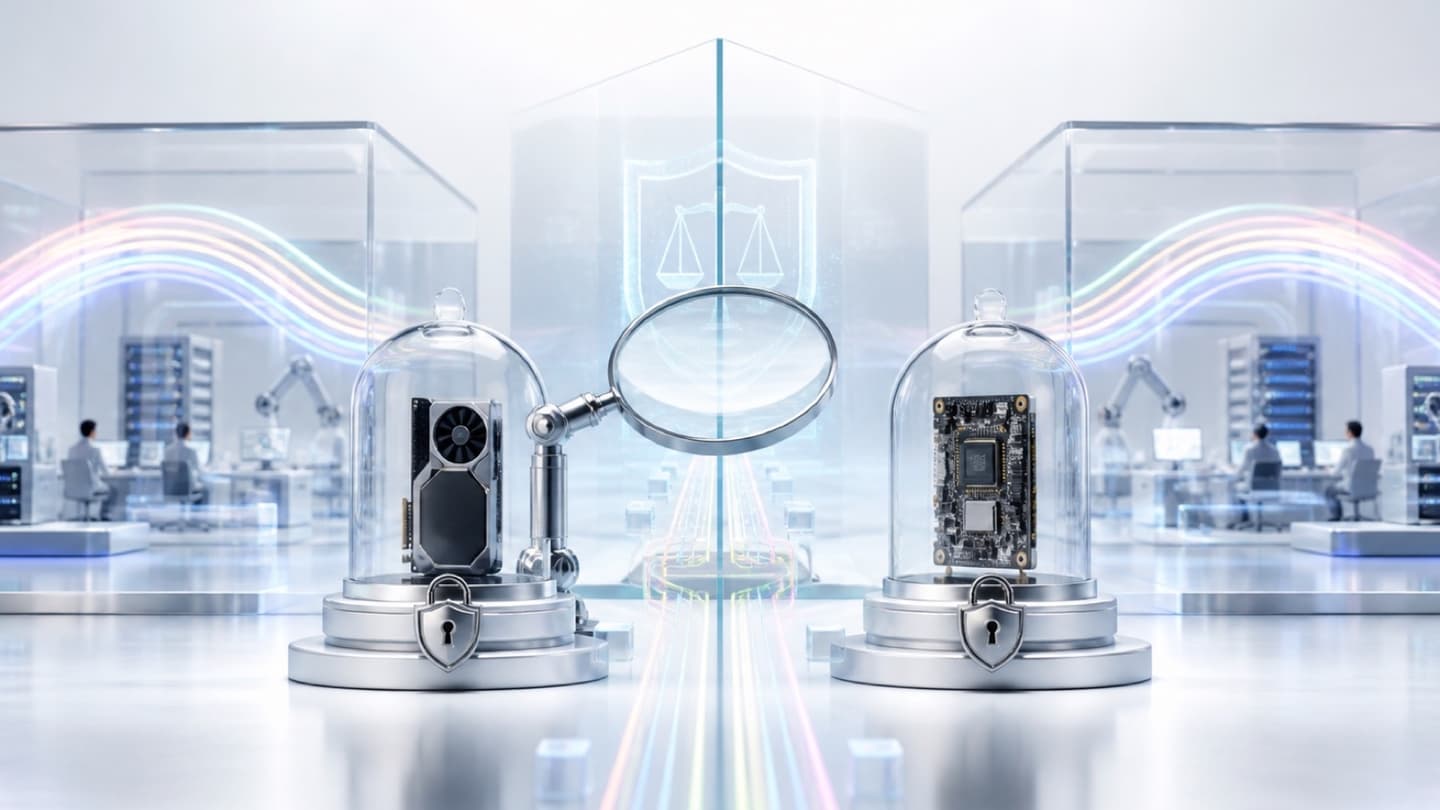
Subject: A dispute over former employees is testing how far forensic discovery should reach inside an AI company.
Preview: Apple wants device and account searches tied to alleged trade-secret misuse, while OpenAI argues the request goes too far.
Introduction
When AI talent moves between competitors, the boundary between employee knowledge and protected company material becomes difficult to police.
What happened
Apple sought an injunction against use of its trade secrets and forensic inspection of OpenAI devices and accounts. OpenAI accepted three of five requested measures but opposed the device searches; Apple says more employees and candidates were asked to bring prototypes or CAD files.
Why it matters
The ruling could shape how courts balance urgent evidence preservation, employee mobility and the security of sensitive research environments.
What is easy to miss
These are contested allegations, not established findings. Former employee devices were returned, OpenAI has publicly disputed Apple’s account, and a hearing is scheduled for October 1.
What to do next
Companies should tighten offboarding, provenance records and clean-room procedures for new hires. Legal teams should seek narrowly scoped discovery with clear safeguards for unrelated confidential data.
The takeaway
AI talent mobility is turning information governance into courtroom infrastructure.
Sources
- Commentaryappleinsider.com
- Primary sourceopenai.com
- Commentarynewsletter.genai.works
Last reviewed: · By Arnaud Llamas Bravo