Visa buys BioCatch to make behaviour part of payment identity
Visa’s BioCatch deal could detect fraud before a transaction by analysing how people type, swipe and handle their devices.
Subject: A $2.4 billion acquisition moves behavioural biometrics deeper into global payments.
Preview: Visa’s BioCatch deal could detect fraud before a transaction by analysing how people type, swipe and handle their devices.
Introduction
Payment security is shifting from what a user knows or owns to how that user behaves during a session.
What happened
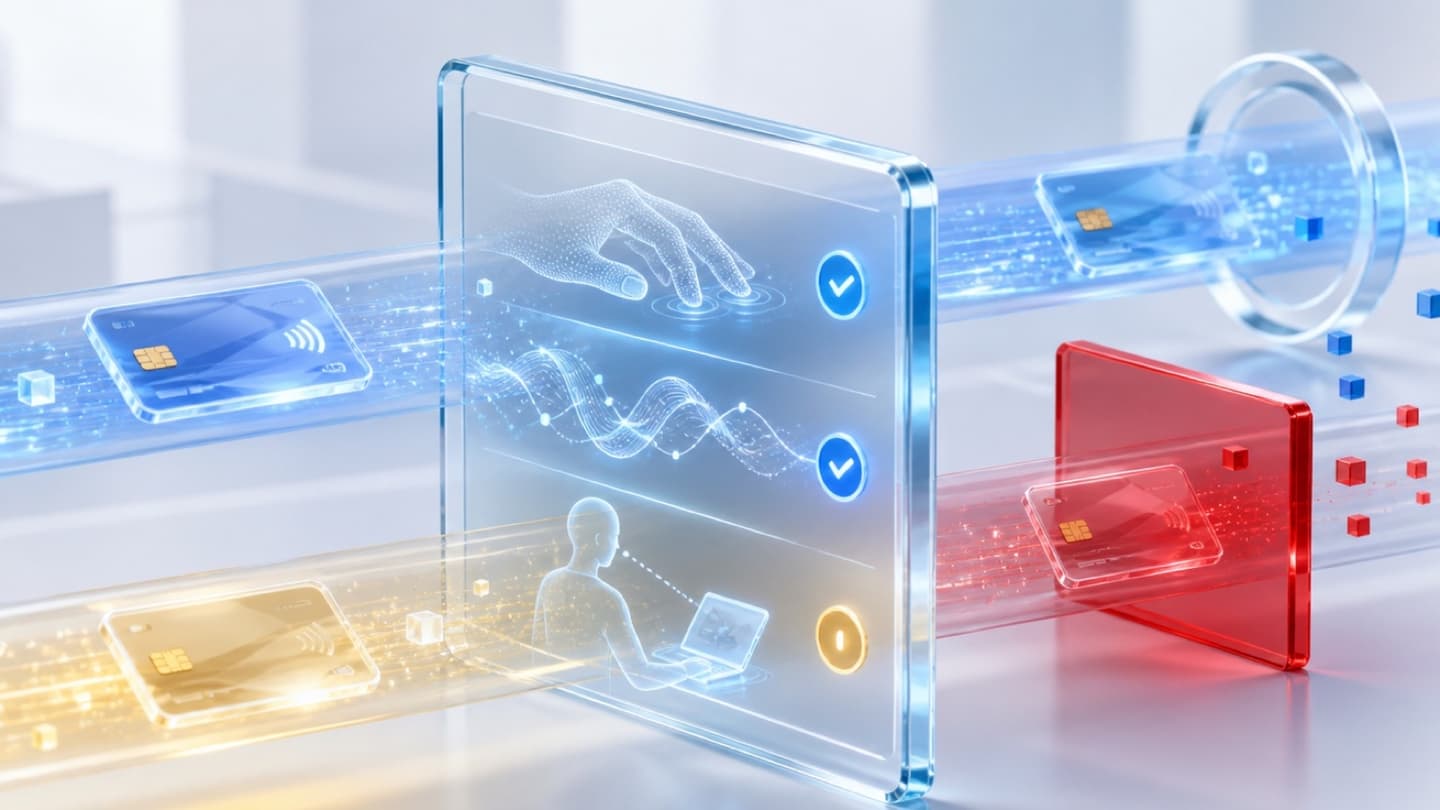
Visa agreed to acquire BioCatch for $2.4 billion in cash. BioCatch analyses keystrokes, mouse and touch patterns, device posture and possible coercion signals; the newsletter reports coverage of 19 billion monthly sessions across more than 350 banks.
Why it matters
Behavioural signals can catch account takeover and scams before money moves, giving banks a preventive layer beyond passwords and one-time codes.
What is easy to miss
Continuous behavioural analysis is also sensitive surveillance. Accuracy can vary across devices, disabilities and stressful situations, and weak governance may turn fraud prevention into intrusive profiling.
What to do next
Financial institutions should set strict purpose limits, retention periods, bias tests and human review for adverse decisions. Customers need clear explanations and accessible appeal routes.
The takeaway
Behaviour can strengthen identity checks, but only if fraud reduction is matched by privacy and accountability.
Sources
- Commentarywsj.com
- Commentarynewsletter.genai.works
Last reviewed: · By Arnaud Llamas Bravo